
GCARR-CANADA supports refugees, women human rights defenders, at-risk families, and displaced individuals through structured advocacy rooted in dignity, fairness, and global human rights standards. Our work amplifies the experiences of those facing life-threatening risks, discrimination, and instability.
We raise concerns directly with national and international partners, humanitarian agencies, civil society networks, and relevant authorities to help ensure urgent needs are recognized and acted upon. Our advocacy opens pathways to assistance, safety, and protection for those who have no other channel to be heard.

GCARR-CANADA delivers emergency humanitarian support to individuals and families facing severe danger, displacement, or immediate unmet needs.
When partner funding is available, we distribute emergency assistance to vulnerable clients who are unable to secure essential needs on their own. Support may include temporary food assistance, urgent medical needs, safe temporary accommodation through partner organizations, or direct financial relief based on verified vulnerability.
All emergency assistance is provided on a case-by-case basis and is guided by fairness, real-time need, and the safety of the individuals involved.
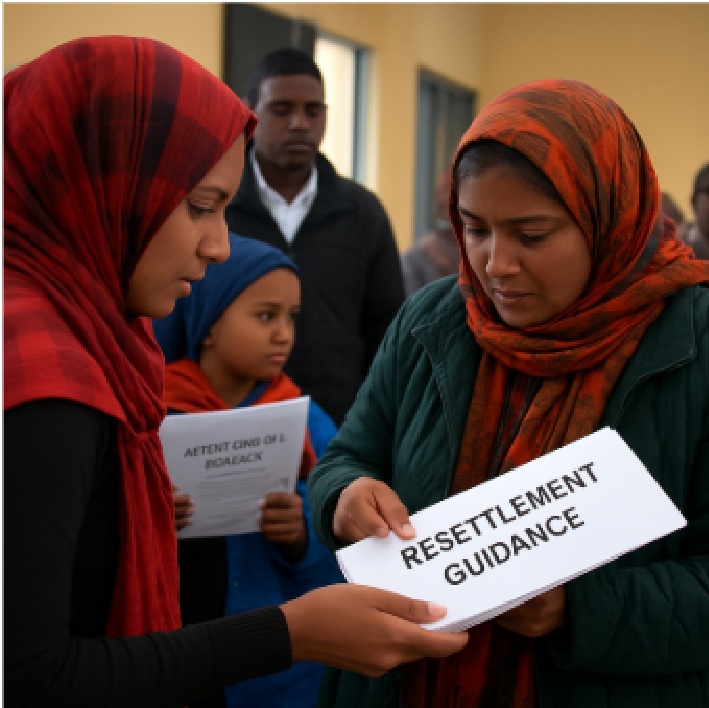
GCARR-CANADA provides structured guidance for individuals seeking safety through humanitarian pathways. While we do not act as legal representatives, consultants, or paralegals, we help clients understand available options, connect with reputable resources, and prepare the non-legal components needed for safe relocation opportunities.
Our support focuses on clarity, accuracy, and helping individuals avoid misinformation during extremely stressful circumstances.
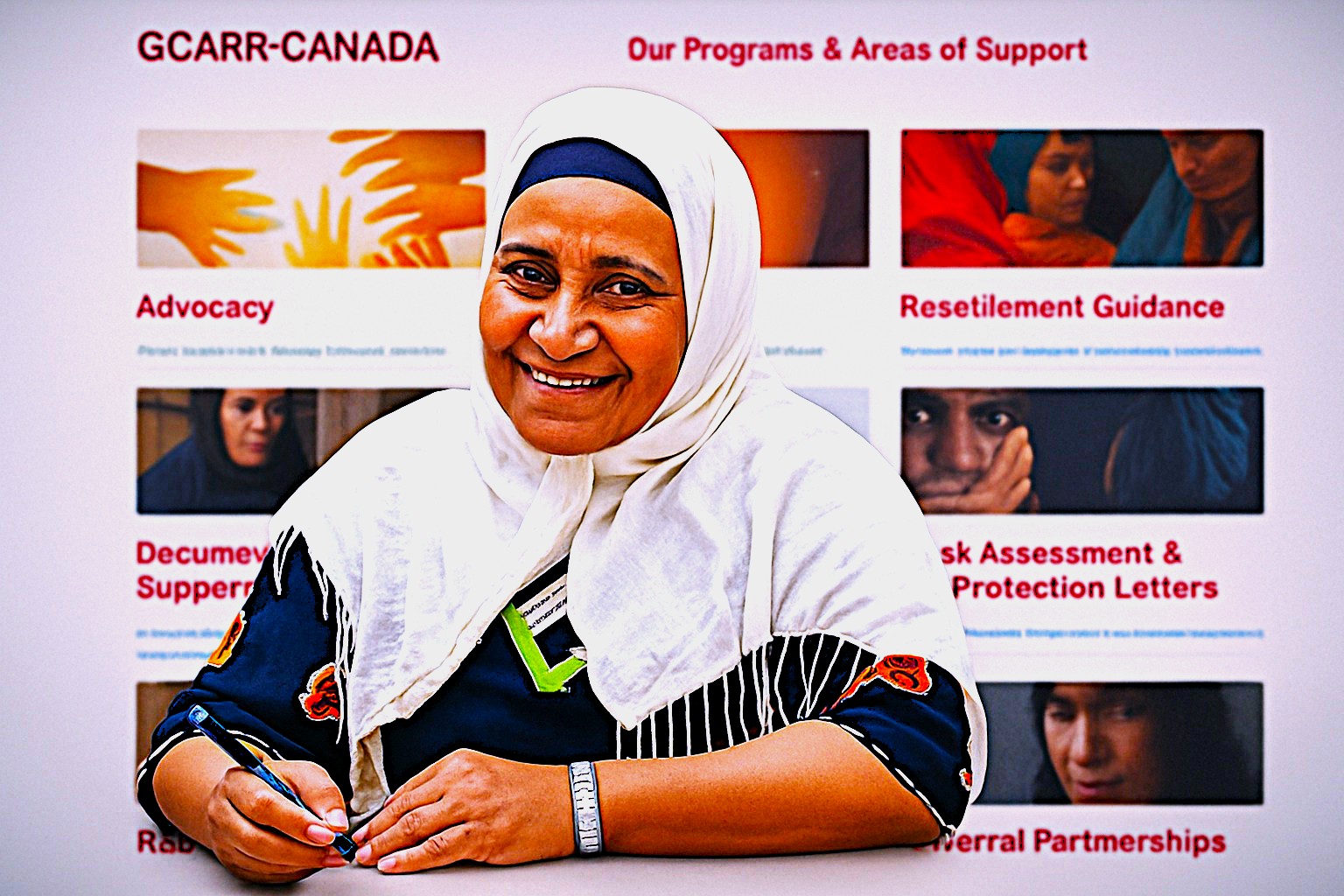
GCARR-CANADA assists with the preparation of humanitarian documentation that helps clients demonstrate risk factors, lived experiences, and protection needs. This includes compiling non-legal evidence, organizing case backgrounds, and assembling structured humanitarian profiles for referral to partner agencies.
Our role is supportive and advocacy-oriented, ensuring that vulnerability is clearly communicated to the organizations responsible for protection decisions.
Through detailed case-based reviews, GCARR-CANADA prepares humanitarian risk summaries and protection concern documentation for individuals facing danger. These assessments help partner organizations better understand the urgency and gravity of each client's situation.
When needed, we also issue formal protection concern letters to credible entities that request documented context for referral, advocacy, or emergency consideration.
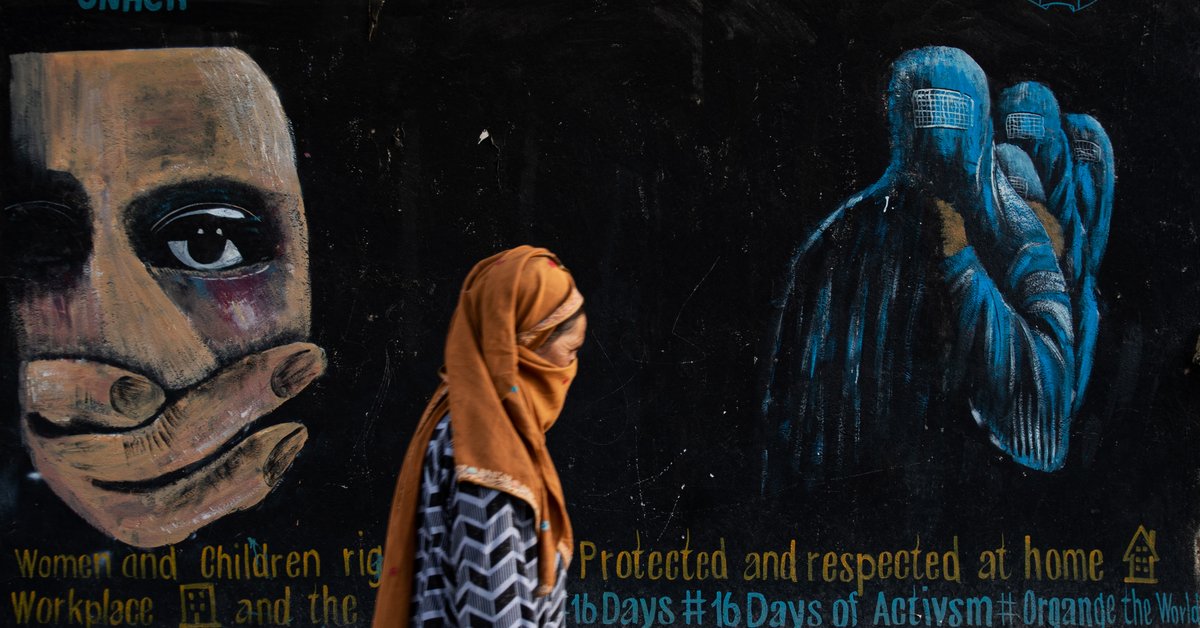
GCARR-CANADA supports women human rights defenders who face threats or targeted violence because of their advocacy. We assist with risk documentation, advocacy, referral support, and connection to protection-focused organizations.
Our work ensures that their courage is recognized and that they are not left alone during moments of danger.
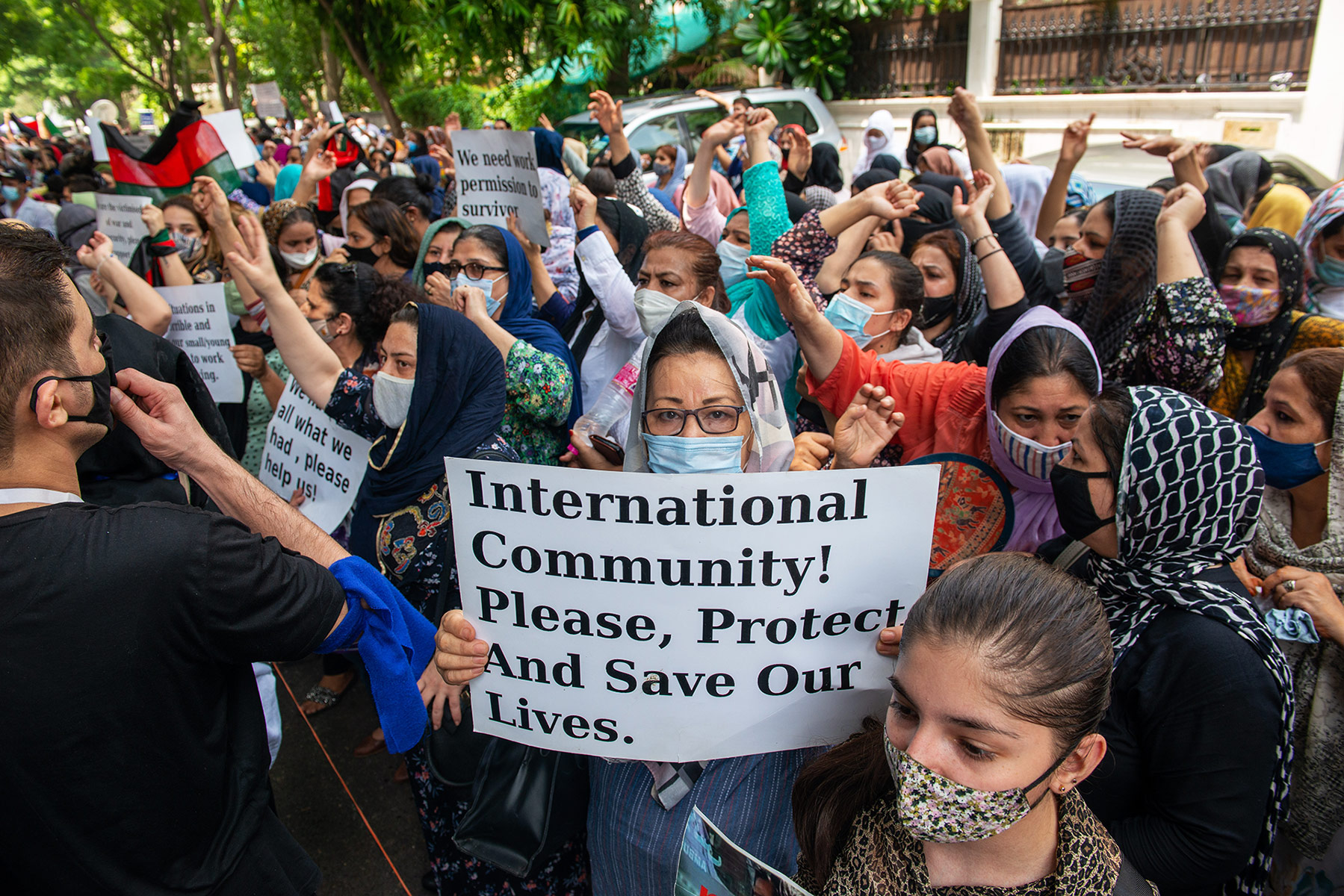
GCARR-CANADA manages urgent and complex humanitarian cases requiring immediate coordinated action. This includes individuals facing severe threats, displacement, medical emergencies, or sudden risk of harm.
We work closely with partner NGOs, emergency responders, and humanitarian networks to stabilize situations and direct clients to appropriate avenues of support.

GCARR-CANADA collaborates with humanitarian partners who provide essential services beyond our mandate.
When a person requires services such as shelter, psychosocial support, emergency care, women’s protection services, or immigration-related assistance, we help identify organizations capable of responding.
Our partnerships strengthen safety pathways and ensure that vulnerable individuals receive coordinated assistance.